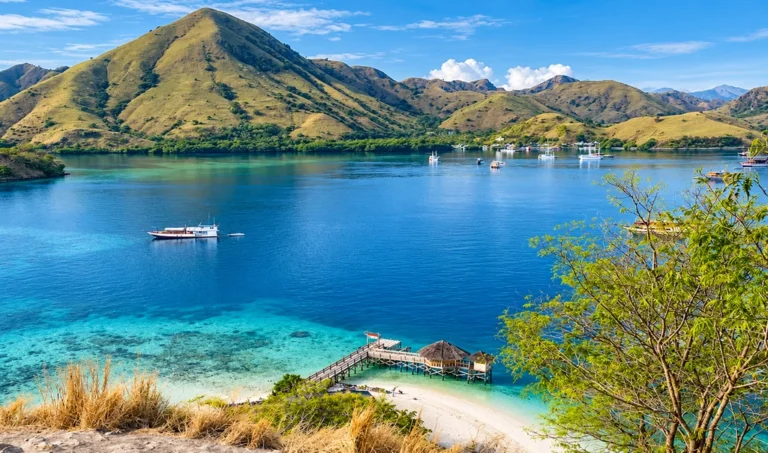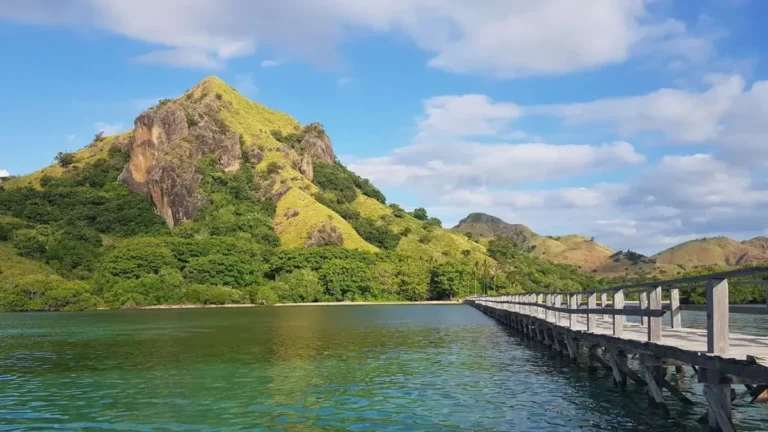
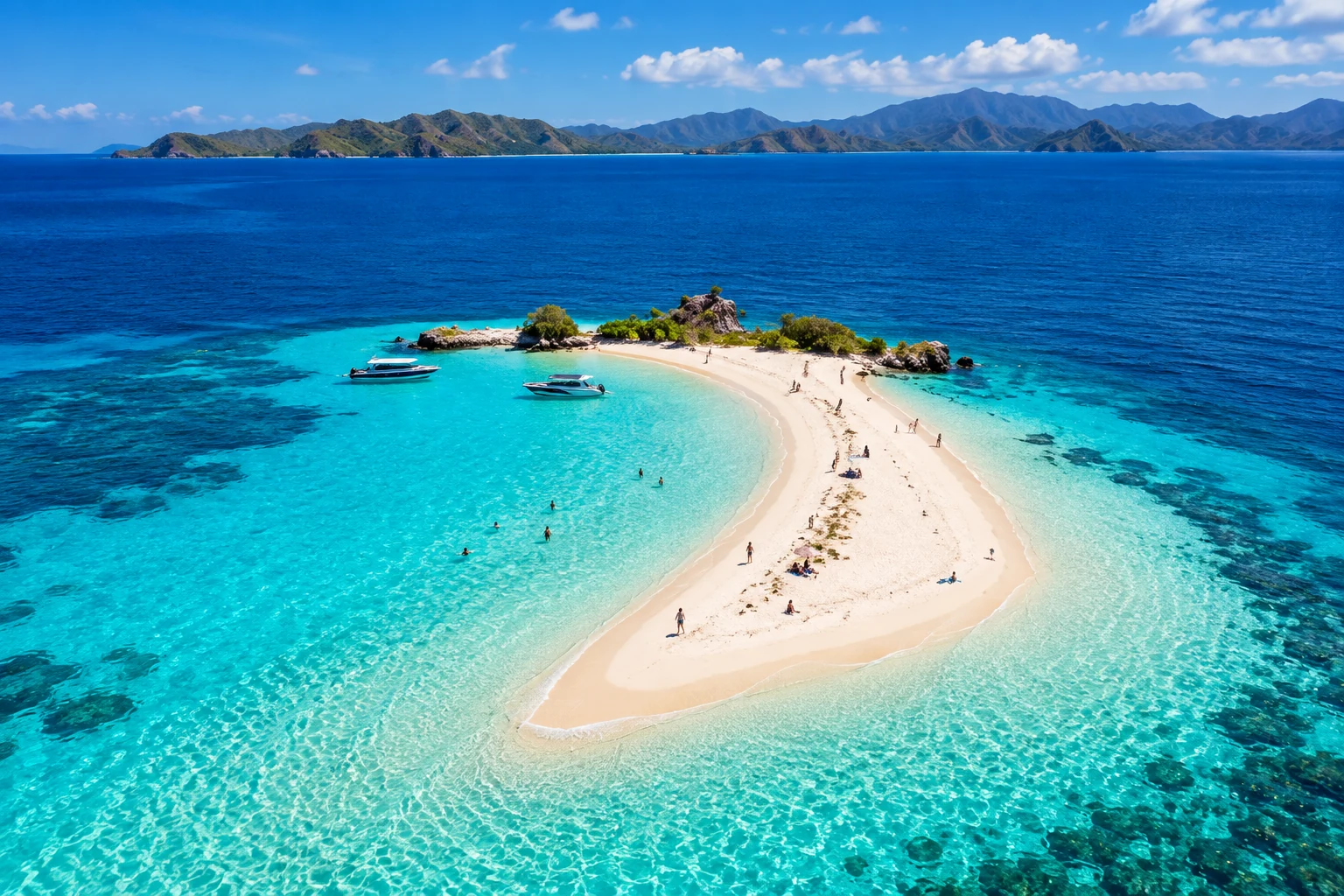
Taka Makassar Labuan Bajo is one of the most unusual stops in the Komodo sailing area. Rather than being a conventional island, Taka Makassar is a small sandbar surrounded by open sea. Its appearance can change with the tide, creating a striking contrast between pale sand and blue water.
What Is Taka Makassar?
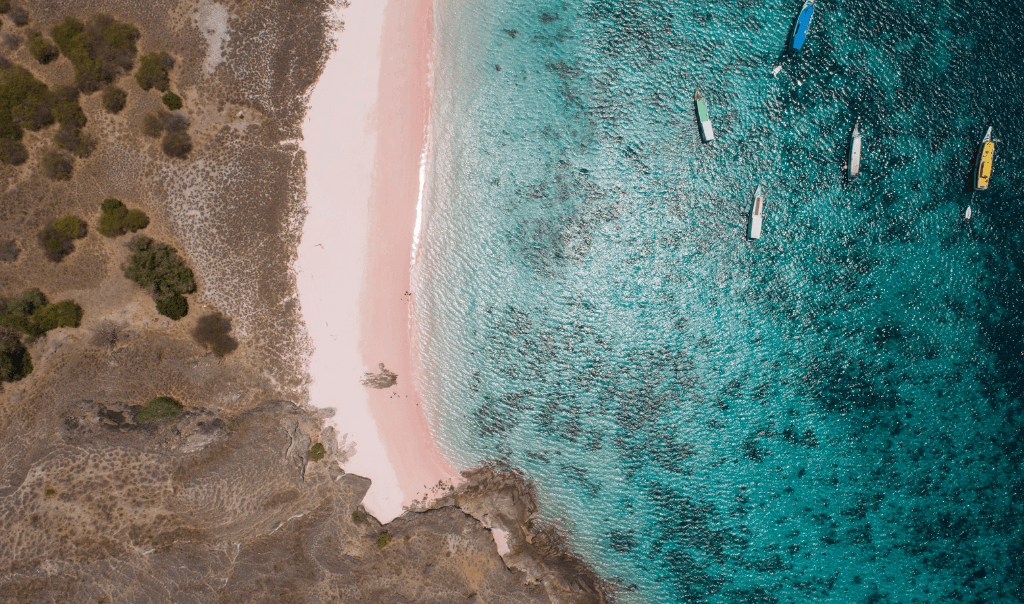
Taka Makassar is a shallow sandbar within the Komodo National Park area. When the tide allows, the sandy section becomes clearly visible above the water and creates the impression of a tiny island in the middle of the sea. The surrounding landscape is almost entirely ocean, making the stop feel very different from destinations with hills, forests or larger beaches.
Because the sandbar is strongly influenced by tide and sea conditions, its exact appearance is not fixed. This is part of what makes the destination interesting. A visit should be treated as a natural experience rather than expecting the same shape or water conditions every day.
What Can You Do There?
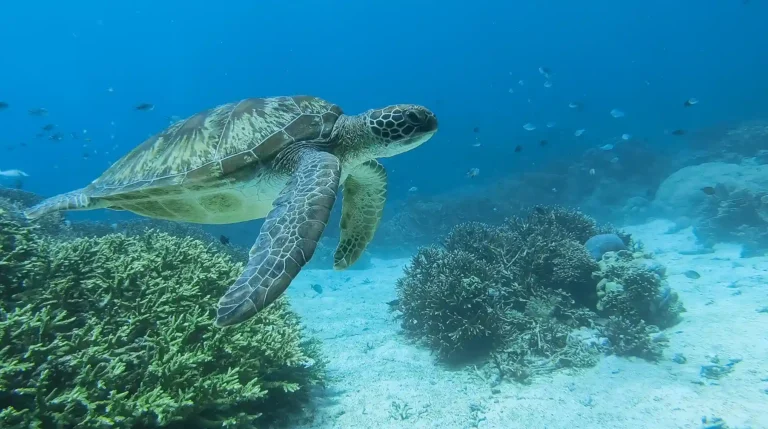
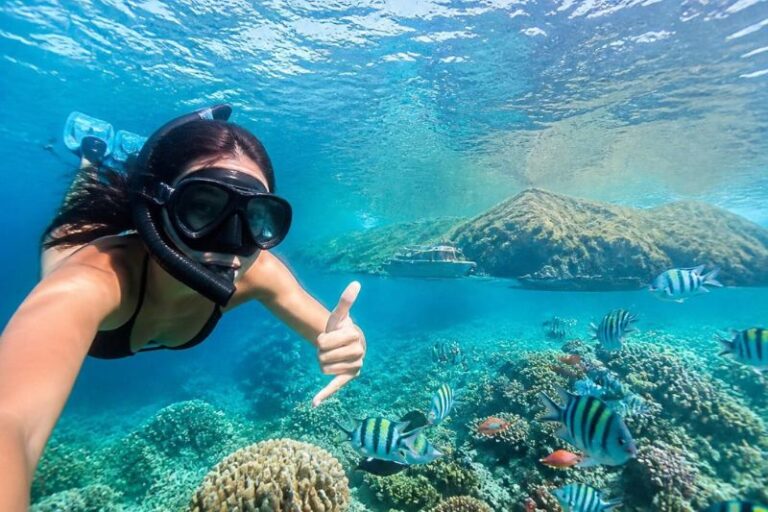
When conditions are suitable, visitors can enjoy the shallow water, take photographs and relax around the sandbar. Snorkeling may also be possible in surrounding waters, but currents and visibility can change. Always follow the boat crew’s instructions before entering the water, especially because Taka Makassar is exposed to open-sea conditions.
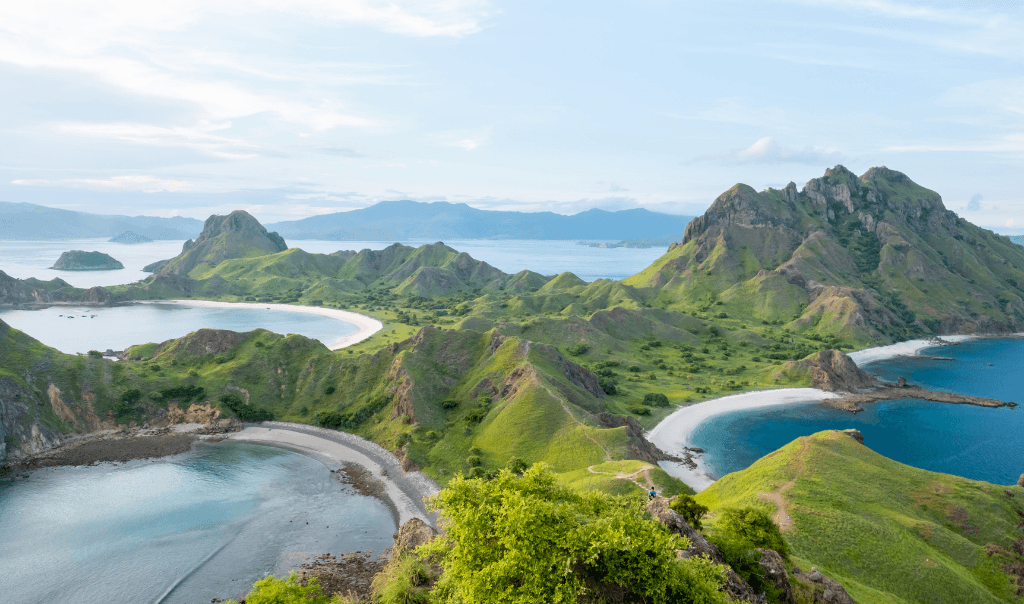
The location is particularly photogenic from the boat. Looking back at the sandbar from the water shows just how small it is compared with the surrounding sea. It can be a memorable contrast to the larger landscapes of Padar Island or Komodo Island.
Taka Makassar in a One Day Trip
Taka Makassar fits naturally into a full-day Komodo route. Hola Bajo’s One Day Trip includes Taka Makassar alongside Padar Island, Pink Beach, Komodo Island and Manta Point. The sequence of destinations can be influenced by sea conditions and the day’s operating plan.
If you prefer an evening-focused experience, Hola Bajo’s Sunset Trip follows a different route through Kelor Island, Manjarite and Kalong Island, giving you a more relaxed way to experience the Labuan Bajo seascape.
Travel by Private Speed Boat
A private speed boat makes it easier to keep the journey focused on your group. Instead of following a large shared group, you have a private setting while traveling between destinations. Even with a private charter, however, safety and the natural environment come first. Weather, waves, tides and local guidance can affect whether a stop is suitable on a particular day.
Plan Your Taka Makassar Experience
Hola Bajo is located at Jl. Soekarno Hatta No.50, Labuan Bajo in Labuan Bajo. Explore our Private Speed Boat Charter for a private Komodo experience, then see the One Day Trip or Sunset Trip options.
For a private itinerary and booking information, contact Hola Bajo on WhatsApp at +62 823-3925-0808.
Before You Go
Komodo journeys are outdoor experiences, so simple preparation makes a difference. Check the day’s sea conditions, wear comfortable clothing, bring sun protection and keep personal belongings secure on the boat. If you plan to snorkel, make sure you are comfortable in the water and follow the crew’s instructions at every stop.
It is also useful to keep your itinerary flexible. Wind, waves, currents, tides and conservation requirements can influence the order of destinations. A private trip gives your group a more personal experience, but safety and local operating conditions always determine what can be done on the day.
Plan Your Private Komodo Trip
Ready to explore Labuan Bajo by private speed boat? Hola Bajo is based at Jl. Soekarno Hatta No.50, Labuan Bajo. Choose your preferred experience and contact us for booking information.
Plan Your Labuan Bajo Trip
Explore the Komodo area with a private speed boat experience from Labuan Bajo. Choose a full-day exploration or a relaxed sunset journey.
Travel Tips
- Wear comfortable clothing and footwear for outdoor activities.
- Bring sun protection, drinking water and a camera.
- Follow local crew and conservation guidance at every destination.
- Keep your itinerary flexible because sea conditions can change.
- Respect wildlife and leave natural areas as you found them.