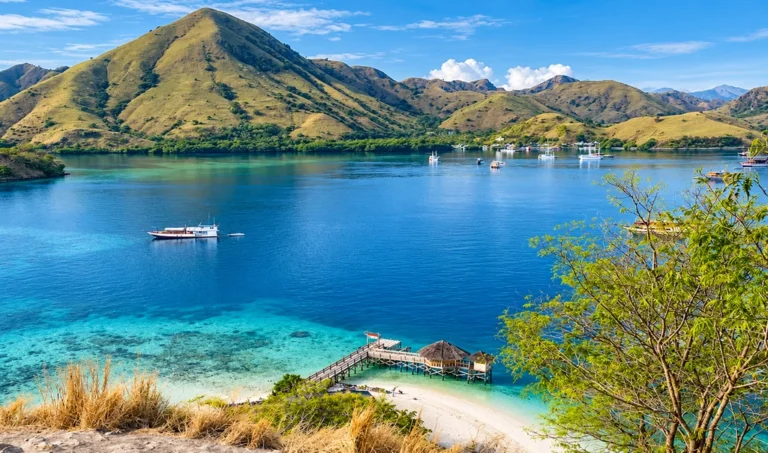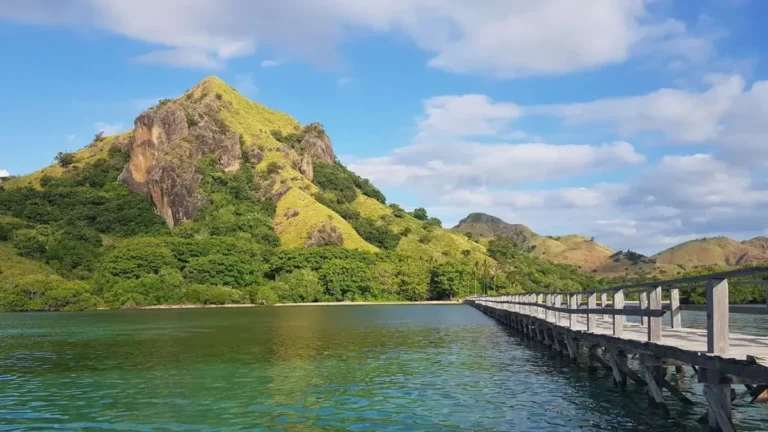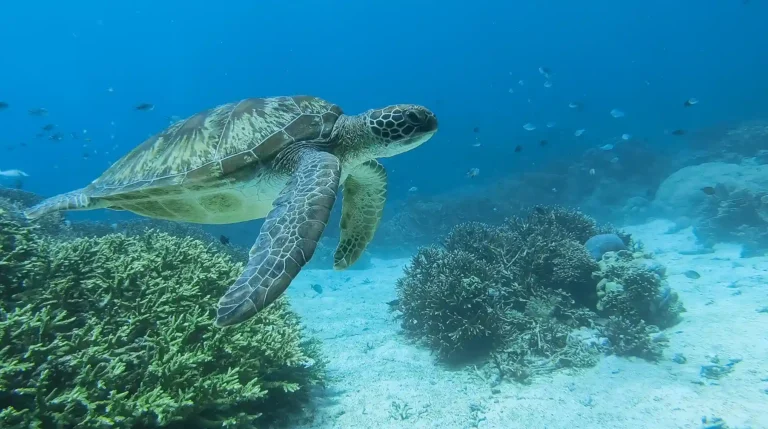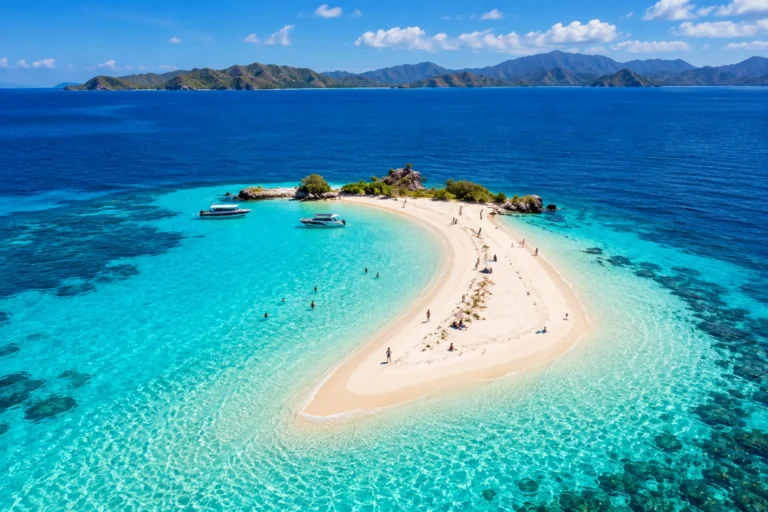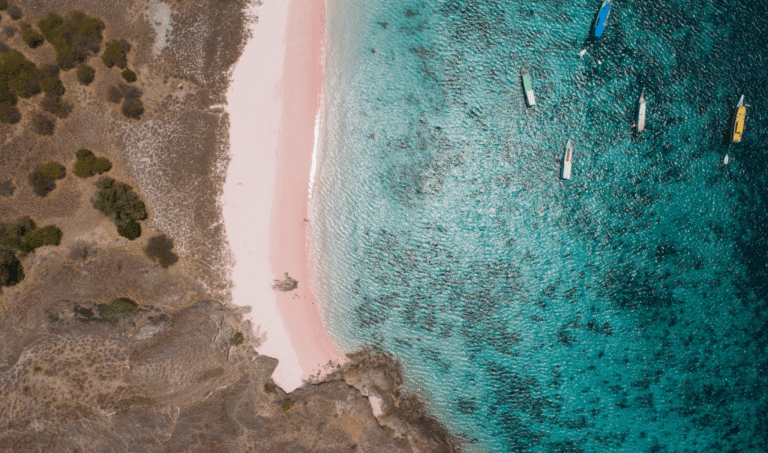
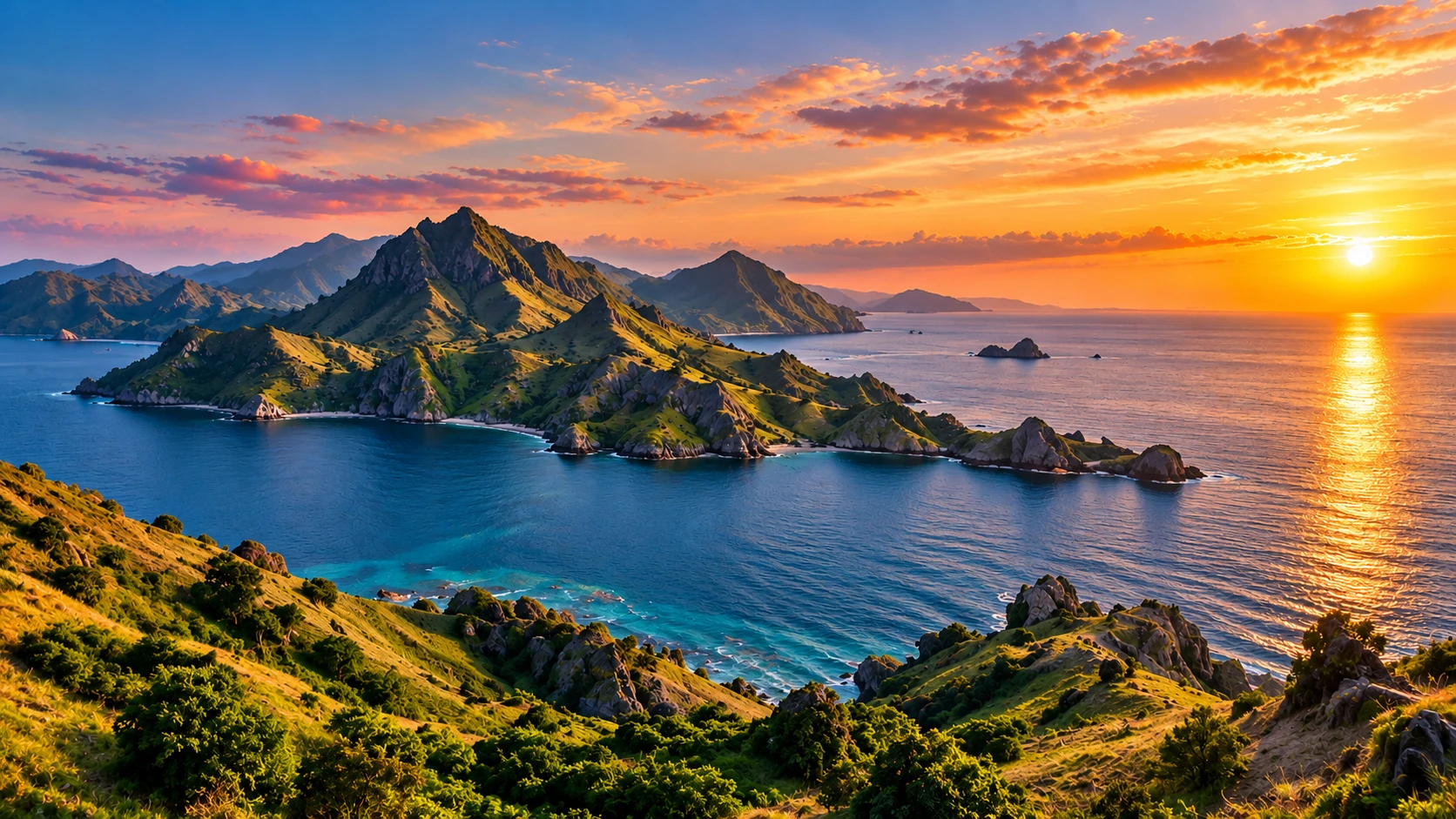
Komodo Island Labuan Bajo is one of the destinations that gives the region its global identity. Located within Komodo National Park, the island is known as natural habitat for the Komodo dragon as well as for its dry hills, coastal landscapes and surrounding marine environment. For many travelers, visiting Komodo Island is the central experience of a trip from Labuan Bajo.
Why Is Komodo Island Special?
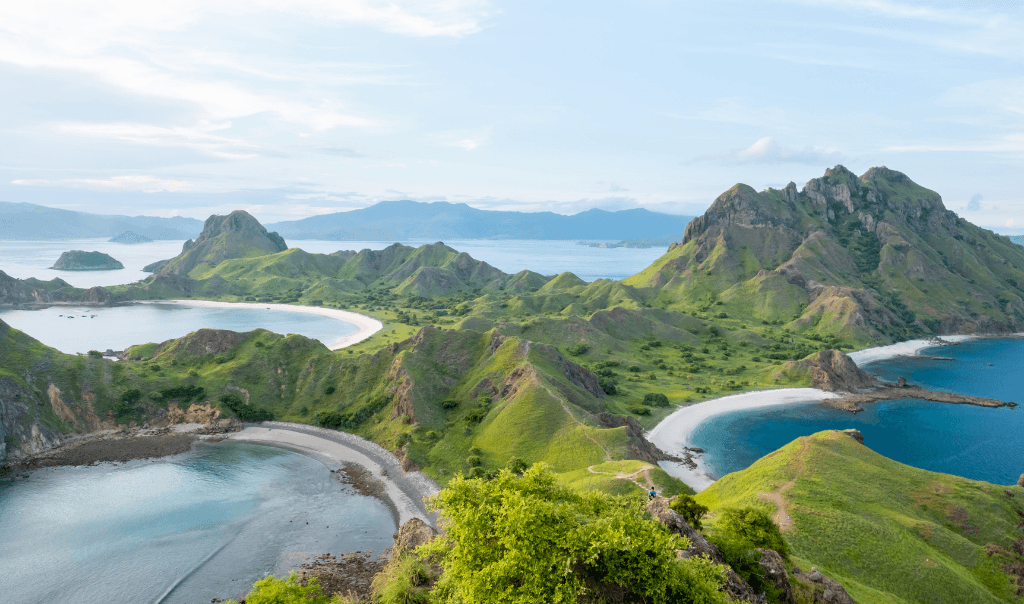
The island forms part of a protected ecosystem where land and sea environments are closely connected. Dry savanna, seasonal vegetation, beaches and surrounding waters create a landscape that looks very different from the lush tropical image often associated with Indonesia.
The Komodo dragon is the best-known resident of the park. Because these are wild animals, encounters are never guaranteed and visitors must follow the rules of the national park. Trekking should be carried out with the appropriate local ranger or guide, and travelers should maintain the distance and behavior required for safety.
Exploring the Island Responsibly
A visit to Komodo Island is not simply about finding a dragon for a photograph. The wider landscape is part of the experience. Depending on the permitted route and conditions, a guided walk can reveal dry forest, open savanna, wildlife and coastal views.
Bring drinking water, sun protection and comfortable footwear, and listen carefully to the guide’s instructions. Avoid feeding or approaching wildlife, and do not leave rubbish behind. Responsible behavior helps protect the environment that makes Komodo Island worth visiting.
Komodo Island with a Private Speed Boat
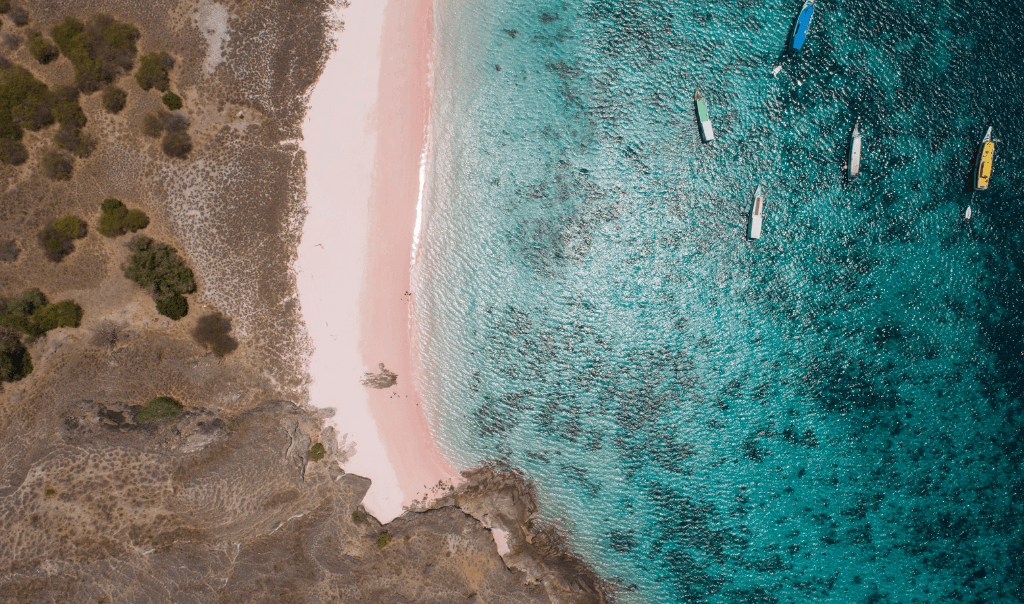
Komodo Island is commonly included with other destinations in a sailing itinerary. Hola Bajo’s One Day Trip combines Komodo Island with Padar Island, Pink Beach, Taka Makassar and Manta Point, creating a broad overview of the Komodo landscape and marine environment in one private journey.
For a different pace, Hola Bajo’s Sunset Trip explores Kelor Island, Manjarite and Kalong Island. It is designed around a more relaxed afternoon and sunset atmosphere rather than a full Komodo wildlife route.
Plan Your Visit from Labuan Bajo
Labuan Bajo is the main gateway for travelers heading toward Komodo National Park. From the harbor, a private speed boat can connect your group with the islands according to the selected itinerary. The final route should remain flexible because weather, currents, waves and local conservation rules can affect operations.
Start Your Komodo Journey
Hola Bajo is based at Jl. Soekarno Hatta No.50, Labuan Bajo and specializes in private speed boat experiences around Labuan Bajo. Discover our Private Speed Boat Charter, then choose between the One Day Trip and Sunset Trip depending on the experience you want.
For route planning and booking assistance, contact Hola Bajo on WhatsApp at +62 823-3925-0808.
Before You Go
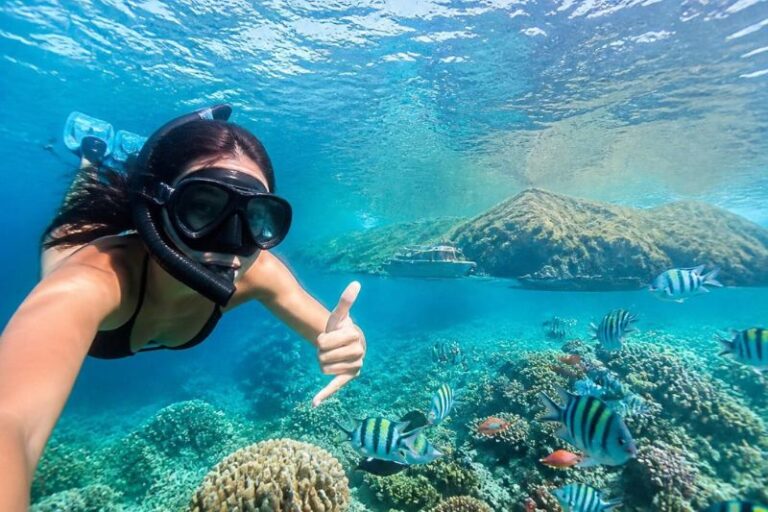
Komodo journeys are outdoor experiences, so simple preparation makes a difference. Check the day’s sea conditions, wear comfortable clothing, bring sun protection and keep personal belongings secure on the boat. If you plan to snorkel, make sure you are comfortable in the water and follow the crew’s instructions at every stop.
It is also useful to keep your itinerary flexible. Wind, waves, currents, tides and conservation requirements can influence the order of destinations. A private trip gives your group a more personal experience, but safety and local operating conditions always determine what can be done on the day.
Plan Your Private Komodo Trip
Ready to explore Labuan Bajo by private speed boat? Hola Bajo is based at Jl. Soekarno Hatta No.50, Labuan Bajo. Choose your preferred experience and contact us for booking information.
Plan Your Labuan Bajo Trip
Explore the Komodo area with a private speed boat experience from Labuan Bajo. Choose a full-day exploration or a relaxed sunset journey.
Travel Tips
- Wear comfortable clothing and footwear for outdoor activities.
- Bring sun protection, drinking water and a camera.
- Follow local crew and conservation guidance at every destination.
- Keep your itinerary flexible because sea conditions can change.
- Respect wildlife and leave natural areas as you found them.