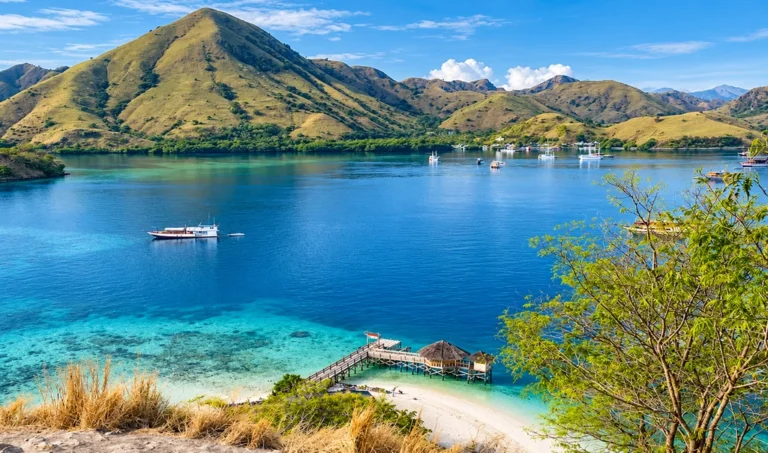
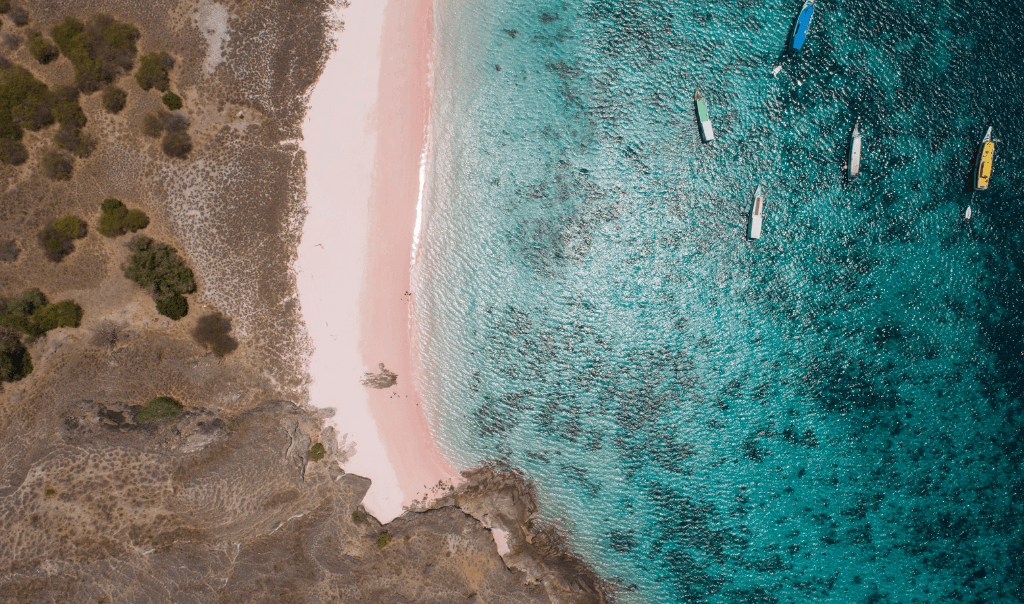
Pink Beach Labuan Bajo is one of the most distinctive coastal stops in Komodo National Park. Located on Komodo Island, the beach is known for its soft pinkish shoreline, clear water and surrounding island scenery. It is a popular stop for travelers who want a combination of beach time, photography and marine activities during a Komodo trip.
What Makes Pink Beach Pink?
The color is a natural result of light sand mixing with reddish material associated with coral and microscopic marine organisms. The intensity of the pink tone can vary along the shoreline and with the light, so the beach may look different depending on weather, time of day and viewing angle.
Because Pink Beach is part of a protected national park environment, visitors should treat the shoreline as a natural ecosystem rather than a place to collect souvenirs. Do not take sand, coral or marine life, and follow the rules provided by local guides and park authorities.
Things to Do at Pink Beach
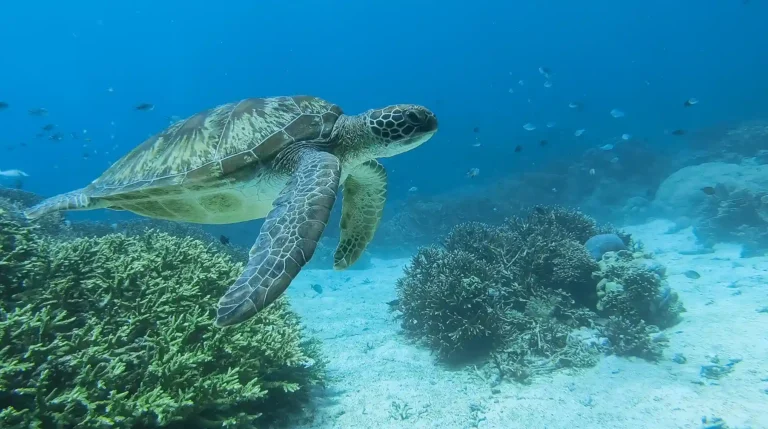
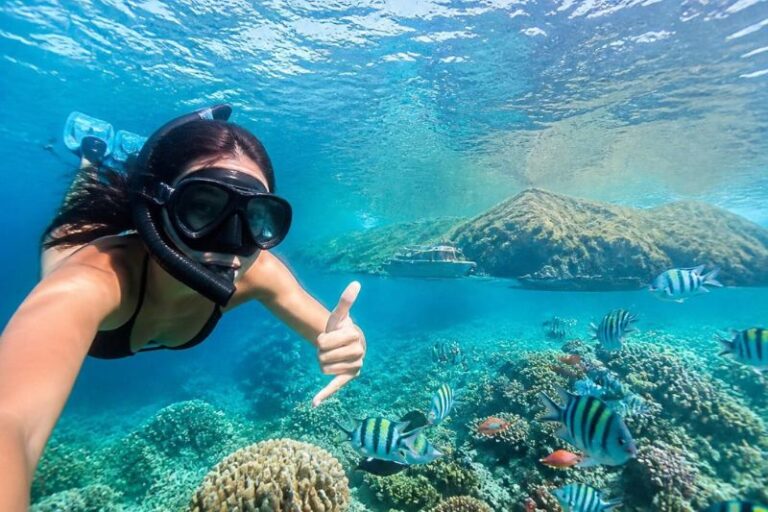
Relaxing on the beach is only one part of the experience. The surrounding water can be suitable for swimming or snorkeling when conditions allow, giving visitors a chance to see coral and tropical marine life. Water conditions can change, particularly in open areas, so always follow the advice of the boat crew or guide before entering the sea.
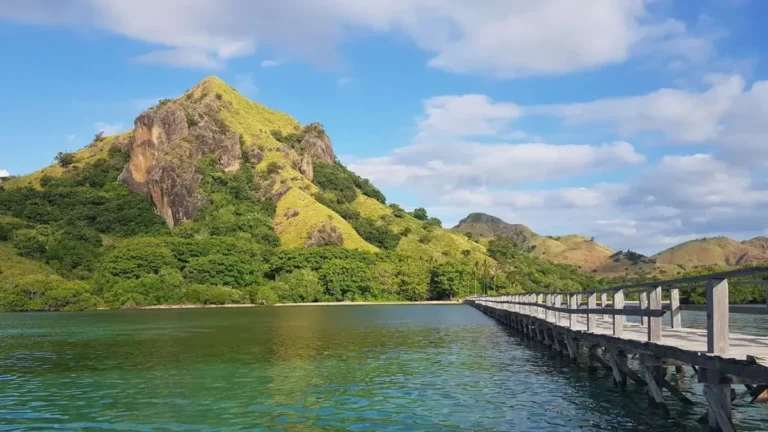
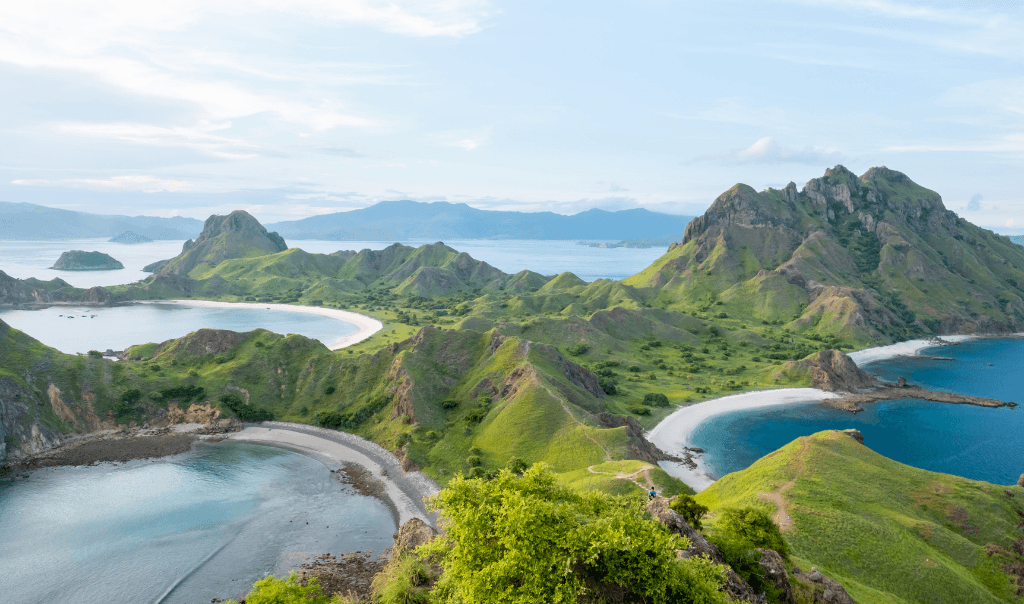
Photography is another obvious highlight. The contrast between the pinkish sand, blue-green water and dry island landscape creates a distinctive Komodo scene. A short walk along the shoreline can provide several different perspectives without needing a complicated activity schedule.
Pink Beach in a Komodo Itinerary
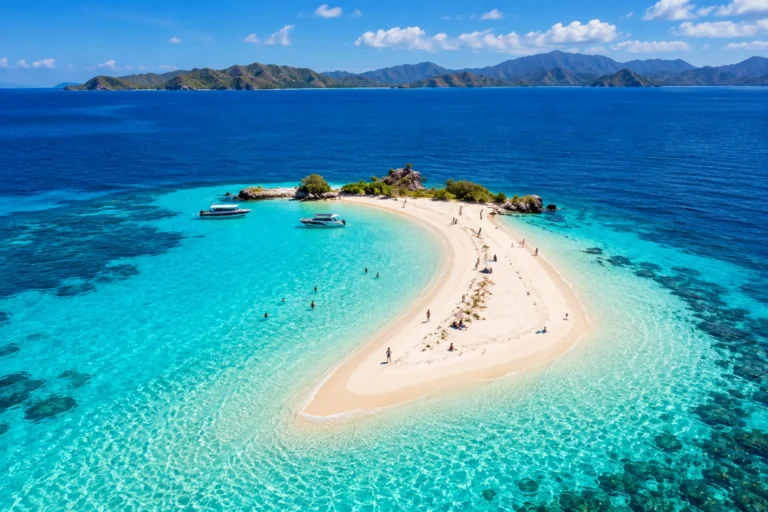
Pink Beach is often combined with other major destinations in the same sailing route. Hola Bajo’s One Day Trip includes Pink Beach together with Padar Island, Komodo Island, Taka Makassar and Manta Point. A private itinerary allows the group to experience several highlights without joining a large shared boat.
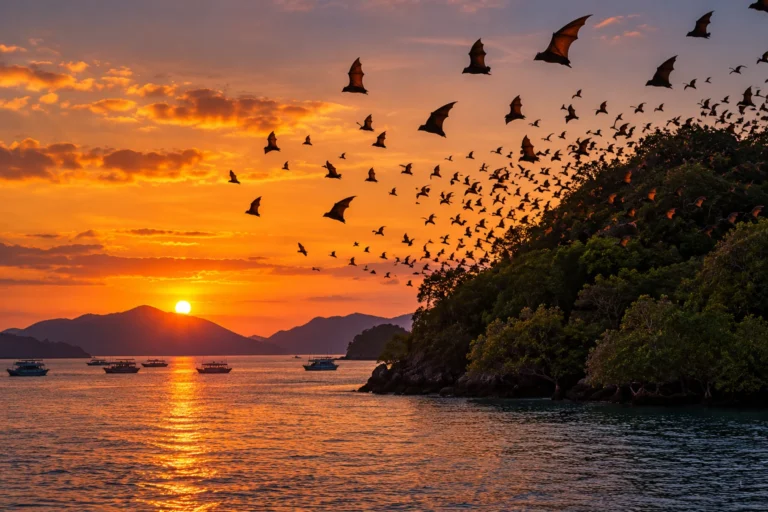
If your priority is a more relaxed evening on the water, Hola Bajo’s Sunset Trip focuses on Kelor Island, Manjarite and Kalong Island, ending with the atmosphere of sunset around Labuan Bajo.
Why Choose a Private Speed Boat?
A private speed boat is useful for travelers who value privacy and a more personal trip atmosphere. Your group can travel together from Labuan Bajo while the route remains subject to weather, sea conditions and local operating considerations. This is particularly useful when you want to combine beach time with several other destinations in one day.
Plan Your Pink Beach Visit
Start your journey from Labuan Bajo and keep your itinerary realistic. Conditions at sea can influence the sequence and duration of stops, so flexibility is part of responsible island travel.
Hola Bajo is located at Jl. Soekarno Hatta No.50, Labuan Bajo. Learn about our Private Speed Boat Charter in Labuan Bajo, then explore the One Day Trip or Sunset Trip. For a private Komodo journey, contact Hola Bajo via WhatsApp at +62 823-3925-0808.
Before You Go
Komodo journeys are outdoor experiences, so simple preparation makes a difference. Check the day’s sea conditions, wear comfortable clothing, bring sun protection and keep personal belongings secure on the boat. If you plan to snorkel, make sure you are comfortable in the water and follow the crew’s instructions at every stop.
It is also useful to keep your itinerary flexible. Wind, waves, currents, tides and conservation requirements can influence the order of destinations. A private trip gives your group a more personal experience, but safety and local operating conditions always determine what can be done on the day.
Plan Your Private Komodo Trip
Ready to explore Labuan Bajo by private speed boat? Hola Bajo is based at Jl. Soekarno Hatta No.50, Labuan Bajo. Choose your preferred experience and contact us for booking information.
Plan Your Labuan Bajo Trip
Explore the Komodo area with a private speed boat experience from Labuan Bajo. Choose a full-day exploration or a relaxed sunset journey.
Travel Tips
- Wear comfortable clothing and footwear for outdoor activities.
- Bring sun protection, drinking water and a camera.
- Follow local crew and conservation guidance at every destination.
- Keep your itinerary flexible because sea conditions can change.
- Respect wildlife and leave natural areas as you found them.